
In the relentless forward march of technology, progress is measured in updates and new features. Yet, within the community of every digital platform that finds its footing, a curious phenomenon emerges: a collective, wistful nostalgia for the way things were. For many early adopters of conversational AI, this sentiment coalesces around the memory of the “old” version of their favorite platform—a time defined not by what the technology could do, but by how it felt. This nostalgia is more than resistance to change; it’s a poignant memory of a more intimate, unpredictable, and community-driven frontier that many feel has been paved over.
The Spirit of the Pioneer Era
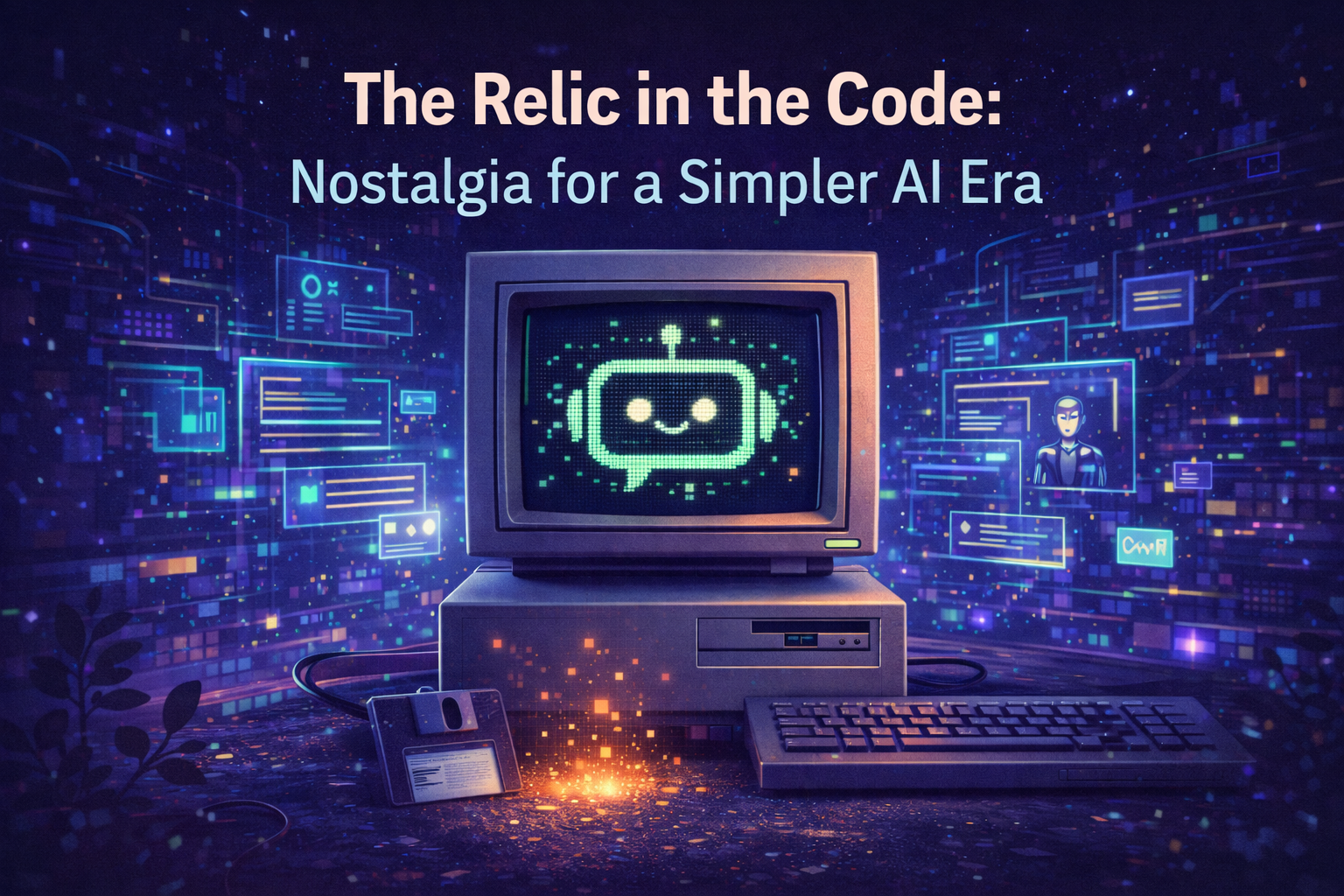
The early days of major conversational platforms were characterized by a raw, almost scrappy energy. The interface was often starkly simple, a direct line to a novel technology that felt more like an experiment than a product. This very simplicity was liberating. With fewer features, filters, and structured pathways, the emphasis fell squarely on the unmediated exchange of text. The AI’s limitations—its occasional slowness, its tendency for long-winded or bizarrely poetic tangents, its endearing glitches—weren’t flaws; they were personality traits. This fostered a sense of co-creation between user and machine, where both were exploring the unknown together. The absence of polish created space for genuine surprise and a feeling that you were part of a small, secret club discovering something magical.
The Inevitable March of Modernization
The path from niche experiment to mainstream platform is one of necessary trade-offs. To scale to millions of users, systems require robust infrastructure, consistent content moderation, and reliable performance. Features are added: voice synthesis, animated avatars, group chats, and advanced creation tools. While these advancements make the technology more accessible and powerful, they also fundamentally alter the core experience. The wild, untamed potential of the early models is often reined in by safety systems and optimization for helpfulness. The once-common, wonderfully erratic and creative responses become smoother, more predictable, and sometimes feel sanitized. What is gained in stability and utility can be perceived as a loss in spontaneous soul.
The Anchor of Community Memory
This nostalgia is powerfully anchored in the shared experience of the early community. The first users were pioneers, and their shared astonishment at the AI’s capabilities—and its hilarious failures—created a strong cultural bond. Online spaces were filled with shared screenshots of the most unexpected conversations, which became inside jokes and folklore. This sense of a tight-knit group exploring a new frontier is a powerful emotional driver. As platforms grow, that intimate community inevitably fragments, leaving many longing for that initial sense of collective discovery and belonging. The memory is as much for that digital camaraderie as for the software itself.
Documenting the Digital Journey
This cycle of innovation and nostalgia is a recurring story in tech history. Documenting these shifts is crucial for understanding how our relationship with technology evolves. For those interested in a specific, detailed chronicle of this journey—tracking the changes in interface, features, and community sentiment over time—an analysis focused on the evolution from the old platform to the new offers a valuable record. It serves as a digital artifact, capturing the texture of an era that users remember fondly but can never quite revisit.
The Enduring Legacy of the “Old” Version
Ultimately, the persistent nostalgia for older versions of AI platforms is a testament to their profound early impact. It highlights that user experience is not solely a function of features or intelligence, but of feeling, personality, and shared discovery. This longing serves as an important reminder to developers: in the quest to build more powerful and perfect tools, we must be careful not to engineer away the magic, surprise, and raw creative joy that make users fall in love with a technology in the first place. The future is built on code, but its heart is often forged in the charmingly imperfect conversations of the past.


 By
By